
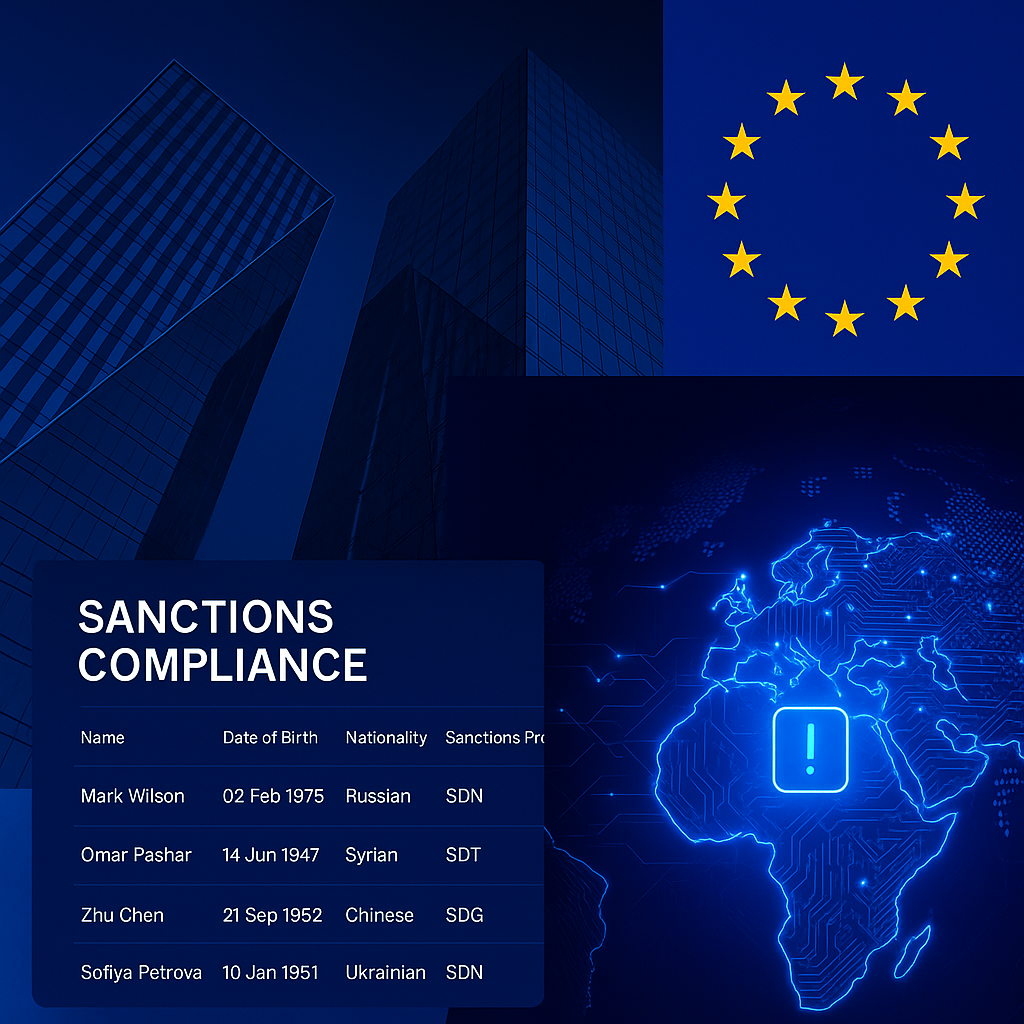
Comprehensive Legal Support in Sanctions Matters: Navigating Challenges for Businesses
In an increasingly interconnected global economy, businesses face a range of legal challenges that can significantly affect their operations. One of the most critical areas requiring special attention is compliance with sanctions imposed by various countries and international organizations. The complexity of these regulations necessitates specialized support. This article will illuminate the importance of legal support in sanctions matters, detailing the role it plays in safeguarding businesses against legal risks, financial penalties, and reputational damage.
Sanctions are measures imposed by governments or international bodies to influence political or economic actions. They can range from trade restrictions and asset freezes to travel bans and economic sanctions targeting specific entities or individuals. In recent years, the scope and frequency of sanctions have increased, particularly in response to geopolitical tensions. This dynamic landscape makes compliance challenging for businesses operating in the global market.
Navigating sanctions laws requires a thorough understanding not only of the regulations in place but also of the specific implications for a business’s operations. Legal support in sanctions matters involves an array of services, including risk assessments, due diligence, and compliance program development. By engaging legal professionals who specialize in this field, businesses can better position themselves to manage risks associated with sanctions.
The Importance of Legal Expertise in Sanctions Compliance
Understanding the nuances of sanctions regulations is vital for any business, especially those involved in international trade. The penalties for non-compliance can be severe, including heavy fines and restrictions on future business activities. Legal experts in this field help identify potential risks related to sanctions and provide guidance on compliance strategies tailored to a company’s specific situation.

A significant aspect of legal support involves conducting due diligence on business partners, customers, and suppliers. This process ensures that a company does not unknowingly engage with s
anctioned entities, thereby mitigating the risk of complicity in violations. Legal experts can assist in developing a robust due diligence framework that includes screening procedures and ongoing monitoring of business relationships.
Developing a Compliance Program
A well-structured compliance program is essential for any business to operate within the bounds of sanctions laws. Legal support in sanctions matters includes helping businesses design and implement compliance programs that reflect current regulations and best practices. This often involves drafting internal policies and procedures, training employees, and establishing reporting mechanisms for potential violations.
Regular training and education of staff play a crucial role in ensuring that employees are aware of their responsibilities concerning sanctions compliance. Legal professionals can design training modules that highlight key areas of concern, such as recognizing red flags related to sanctions and understanding the penalties associated with violations.
Responding to Regulatory Changes and Challenges
The landscape of sanctions is constantly evolving, with changes occurring frequently as governments respond to global events. Legal support is essential in helping businesses stay informed and adapt to new regulations. This includes offering insights on recent developments, interpreting policy changes, and advising on how these changes affect business operations.
Additionally, businesses may face unique challenges depending on their industry and geographical location. Legal experts can provide tailored advice that considers these specific variables, addressing concerns related to sectoral sanctions, territorial restrictions, and other complex issues that may arise.
Handling Violations and Mitigating Risks
In instances where a business faces an alleged violation of sanctions, immediate legal support is crucial. A proactive legal team can help assess the situation, determine the best course of action, and represent the company in potential enforcement actions. This support is vital in negotiating settlements or defending against penalties, minimizing the impact on the business.
Moreover, businesses can benefit from legal advice on how to implement corrective actions in the event of a violation. This may include enhancing compliance measures, conducting internal investigations, and reporting to authorities if necessary. The goal is to demonstrate a commitment to compliance and to prevent future violations.
Conclusion
In summary, the complexities surrounding sanctions require businesses to prioritize legal support in their compliance efforts. By engaging legal experts, companies can navigate the intricate landscape of sanctions, develop effective compliance programs, and respond swiftly to changing regulations and potential violations. With appropriate legal support, businesses can safeguard their operations, protect against financial penalties, and maintain their reputational integrity in a global market where adherence to sanctions is paramount.